
Sell Your House Now, Move Out Later: How Post Closing Stays Actually Work
For many sellers, the hardest part of selling is not the price. It is the calendar. In a standard sale, closing day is both things at once: the day the money arrives and the day you have to be out. If your next home is not ready, or you cannot face packing a whole house before you have been paid, that one day has to carry the entire move.
There is another way to sequence it. In a post closing stay, the sale closes first. The deed transfers, you receive your proceeds, and you remain in the home for a short, agreed period afterward, then move out on a set date. It is one of the most common requests we hear once the price is settled: 10 of the 72 sales documented in our case library included some form of stay after closing.
This guide explains how the arrangement works, what should be in writing, how long these stays actually run in real deals, and what happens if a seller does not leave when the stay ends.
What a post closing stay is, and what it is not
A post closing stay is permission, agreed before closing, for the seller to keep living in a home the buyer now owns. It is sometimes written into the purchase contract and sometimes set out in a separate post closing occupancy agreement. You will also hear it called a rent back or a leaseback, and in some regions a post settlement occupancy agreement. The names vary. The structure does not: a defined period, a firm end date, and terms both sides signed before closing.
Two things it is not. It is not a handshake. Once the deed is recorded, the buyer owns the home, and a verbal understanding about staying a little while longer protects nobody. And it is not automatically a lease. A short occupancy agreement can be written so the seller is a temporary occupant under the sale documents rather than a tenant under a lease, although where that line falls depends on state law and on the drafting. That is one reason the paperwork deserves a local attorney’s review, especially for longer stays.
It is also not something every buyer can offer. A buyer purchasing the home to move into has no room for it. A buyer who purchases homes as a business often does. The stay is a negotiated term of the deal, settled alongside price and closing date, not a favor added after the papers are signed.
Why sellers ask for time after closing
Money first, move second. The most common reason is sequencing a purchase. The seller needs the proceeds from this sale to complete the purchase of the next home, and needs to still be living somewhere while that happens. A stay turns two closings and a move into one continuous motion instead of a gap in a hotel.
Avoiding a double move. Moving twice, once into temporary housing and once into the real home, doubles the cost and the work. A stay of even one week can be the difference between one move and two.
A date somewhere else that slipped. A new home that is not finished, a seller further up the chain who is not ready, a school term that ends a few weeks after your closing date. A short stay absorbs the mismatch.
Time to do the move itself. Some sellers are older, or managing a house full of decades of belongings, or working around health limits. They do not need months. They need days and not to be rushed out the morning the papers are signed.
Estate and family timing. When a house is sold out of an estate, the sale and the emptying of the house often run on different clocks. For the authority side of estate sales, see our guide to selling a house in probate in Florida. A short stay is sometimes how the logistics side gets finished.
One real sale: the Sanford house
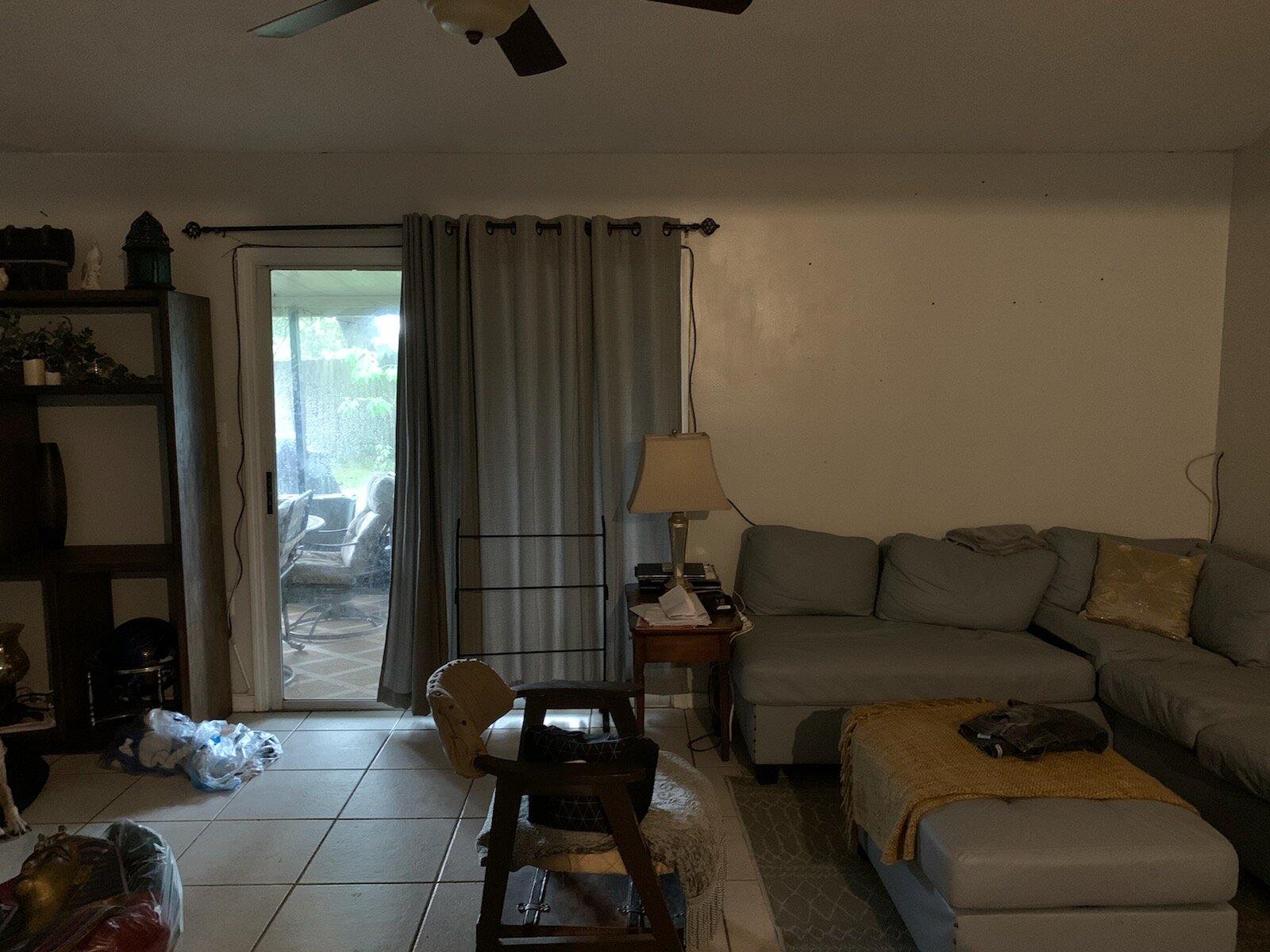
In November 2021 we bought a home on Old Creek Court in Sanford, Florida. The sellers were purchasing a larger home. They did not want to declutter the house, prepare it for showings, or coordinate open houses, and they needed flexibility to remain in the property after closing so they could receive their proceeds and finalize the move.
We purchased the home as is, and the closing was structured to allow exactly that: the sellers stayed for one week after closing, received their proceeds, coordinated the purchase of their new house, and moved on their own schedule. No repairs, no open houses, no financing delays.
What belongs in the written agreement
The exact move out date. Not “about a week” and not “by the end of the month.” A specific date, ideally with a time of day. Movers, cleaners, and the buyer’s own schedule all hang off this date.
The occupancy fee, or the absence of one. Some stays carry a daily or monthly fee, often tied to the buyer’s carrying costs or to local rental value. Some, like the DeLand sale below, are at no charge by agreement. Either way, the number belongs in the document, including when it is zero.
A security deposit or an escrow holdback. This is normal, and it is not a sign of distrust. The buyer holds a deposit, or the closing company holds back part of the proceeds in escrow, released when the seller has moved out and the home is in the agreed condition. It protects the buyer if the home is damaged during the stay, and it gives the seller a concrete reason the end date will be kept.
Utilities, upkeep, access, and insurance. Who keeps the power, water, and lawn service running during the stay, who handles a repair if something breaks, whether the buyer may enter and on what notice, and who carries insurance on the home and on the seller’s belongings while the stay runs.
The overstay terms. What happens, in dollars and in steps, if the seller is still there the morning after the end date. Written daily holdover charges and an unreleased holdback are the usual levers.
How long stays actually run, from our own case pages
Here is what stays have looked like in our completed purchases, taken from the case pages themselves:
Through the weekend. In DeLand, the seller received his cash at closing and remained through the weekend at no charge by agreement. In Centreville, Virginia, retiring sellers stayed through the weekend to finish moving.
A few extra days. In Woodbridge, Virginia, a retiring seller was allowed several additional days after the February 2019 closing to finish moving. In Palm Bay, one sale closed on March 29, 2023 and the sellers remained through March 31.

One week. The Sanford anchor above. The same length appears in Apopka, where parents stayed one week after closing while finalizing their move in with their daughter, and in Altamonte Springs, where a retiring seller stayed one week to gather essential items before moving in with her daughter, and we handled the full cleanout afterward. Another Palm Bay seller remained through June 10, 2023 after a May 31 closing.
Two weeks. In Deltona, the seller stayed two weeks after closing to remove junk vehicles, clear the backyard, and finalize a move to Tennessee. That sale was driven by past due property taxes, the subject of our property tax foreclosure guide.
Approximately three weeks. In St. Petersburg, the seller closed on July 17, 2024 and remained until approximately August 6, 2024. She had fallen almost a year behind on HOA dues on a home with no mortgage, the story told in our HOA foreclosure guide.
The pattern is worth noticing. In our deals, stays run from a weekend to approximately three weeks, not months. These are examples from completed transactions, not a standard offer and not a promise.
What happens if the seller does not leave
When the end date passes, the buyer owns the home and the seller has no remaining right to be in it. The first steps are the ones already in the agreement: the holdback is not released, and daily holdover charges apply if the document provides for them. In most cases that is enough, because most overstays are logistics, not defiance. If the seller still refuses to leave, the buyer’s fallback is a court process to remove them. What that process is called, and how long it takes, varies by state and by how the occupancy was documented. What does not vary is that it takes time and money, and it lands on a buyer who has already paid for the house. That risk is why buyers insist on a written end date and a holdback, and why a seller should ask only for the time they are genuinely confident they need.
Stay after closing, or simply close later?
Sometimes the simpler answer is a later closing date. If you do not need the proceeds in hand to make your next step work, delaying the closing keeps you the owner until the day you leave, and no occupancy paperwork is needed at all.
A stay after closing earns its complexity when the money itself is what you are waiting on: the next purchase needs these proceeds, or a deadline in your situation makes this closing date the one that matters.
Before you agree to a stay
Ask early. A stay is easiest to get before the contract is signed, when it is one term among many. Asked for the week of closing, it is a renegotiation.
Get the end date in writing, and plan backward from it. Book the movers for before the date, not on it. If your next step could slip, say so during the negotiation, not after.
Know what it costs before you sign. Whether there is a fee, how large the deposit or holdback is, and when it comes back to you.
Have a local attorney read the agreement. Whether a short stay makes you an occupant or a tenant is a state law question, and the answer changes what both sides can do if something goes wrong.
Quick answers
Can you stay in your house after closing? Yes, if the buyer agrees before closing and the arrangement is put in writing with a set end date. It is a negotiated term of the sale, not a right.
Is a post closing stay the same thing as renting the house back? They are close relatives. A rent back usually means rent is paid and the seller stays as a tenant. A post closing occupancy agreement may instead be structured as short term occupancy under the sale documents. Which one you have depends on the document and on state law, and the difference matters if there is a dispute.
How long can a post closing stay last? There is no single nationwide rule. In our completed purchases the examples run from a weekend to approximately three weeks. Longer arrangements are where tenancy and lender questions tend to appear, which is why most stay short.
What happens if you stay past the end date? The terms you signed govern first: holdover charges and a holdback that is not released are the usual provisions. If you still do not leave, the buyer can go to court to have you removed, and that process takes time in every state.
Does every buyer allow a stay after closing? No. Buyers who need to move in themselves usually cannot. Buyers who purchase homes as a business often can.
The bottom line
A post closing stay separates the day you get paid from the day you move out, and for a seller whose next step depends on the proceeds, that separation is the whole deal. Done properly, it is a short written agreement with a hard end date, a deposit or holdback, and terms both sides signed before closing. Done casually, as a handshake, it protects no one. Ask early, put it in writing, and ask only for the time you actually need.
This article is general information about how post closing stays work, not legal advice. How your state treats a seller who stays depends on your documents and your state law, so have a local real estate attorney review any occupancy agreement before you sign it.
Questions about your own situation? Call us at (407) 214-0772. We are happy to talk through your options, with no pressure and no obligation.