
Paying off a mortgage feels like the finish line. No lender, no monthly payment, the house is yours. But in Florida there is one bill that can take a paid off house just as surely as any bank foreclosure: property taxes. The tax lien sits ahead of almost every other claim on a property, including a mortgage, and if the taxes stay unpaid long enough, the county can sell your home at a public auction to settle them.
We wrote recently about the same trap from another direction, homeowners association dues, in our guide to HOA foreclosure in Florida. This article covers the tax version: how a missed tax bill becomes a forced sale, why the timeline is longer than most people fear but more certain than most people realize, and what your options are while you still have them.
How unpaid taxes become a forced sale
Florida’s property tax calendar runs on fixed dates, and the machinery starts automatically.
Tax bills are mailed in the fall and are due by March 31. On April 1, unpaid taxes become delinquent, and a mandatory interest charge of 3 percent is added. The delinquent list is advertised in the newspaper in May, along with the advertising costs added to your bill.
On or before June 1, the tax collector sells a tax certificate on your property. An investor pays your delinquent taxes to the county and receives the certificate: a first lien on your home that earns interest until you repay it. The interest rate can be as high as 18 percent a year; investors bid the rate down at the sale, and whatever rate wins is the rate you will pay to clear the debt.
Two years after April 1 of the year the certificate was issued, the certificate holder may apply for a tax deed. That application starts the endgame. The clerk of court notifies the owner and everyone else with an interest in the property, advertises the sale once a week for four weeks, and auctions the property to the highest bidder. If nobody redeems the debt before the sale, the winning bidder receives a tax deed and ownership of your home.
One protection exists at that sale. If the property is your homestead, the opening bid must include, on top of everything owed, an amount equal to one half of the county’s latest assessed value of the home. That rule exists to keep a homestead from being lost for a small tax bill alone, and any sale money above the debt is surplus that the former owner can claim through the clerk. It has to be claimed; it does not arrive on its own.
A tax certificate is not a sale of your house, but it starts the clock
The June certificate sale frightens people more than it should, and the two quiet years after it frighten them less than they should. Both reactions are understandable, and both are wrong in the same way.
The investor who bought your certificate does not own your house and cannot contact you about it. They own the debt. You can end the whole thing at any point before a tax deed is issued by paying the tax collector the full amount: the taxes, the accrued interest, and the costs. That payment is called redemption, and it is your right the entire time.
What the certificate really does is start a countdown that does not pause. Interest keeps accruing. And if the following year’s taxes also go unpaid, a new certificate is sold on those, and the stack grows. Owners rarely lose a home over one missed year. They lose it over several missed years that each looked manageable on their own.
Homestead does not protect you from property taxes
Florida’s homestead protection is famous, and against most creditors it is genuinely strong. Property taxes are one of the exceptions written into the Florida Constitution itself. The state treats taxes as a charge on the property from the start, so homestead status does not stop a tax certificate, a tax deed application, or the sale.
This is the misunderstanding that costs people their homes. Owners who would never ignore a mortgage letter sometimes set tax bills aside precisely because the house is paid off and they assume nothing can touch it. The tax collector’s process is slower than a bank’s, which makes it easier to ignore, and more final when it arrives, which makes ignoring it the expensive choice.
How one Deltona owner handled it
Joe owned his home in Deltona free and clear. What he did not have was the money to keep everything current at once. The property taxes fell behind. The roof needed full replacement. He had been working on vehicles in the backyard, junk cars and debris had piled up, and the neighbors were complaining, with code enforcement part of the picture. Every one of those problems made the others harder to solve, and a tax deed sale was where the tax side of it was heading.
He sold the house to us as it sat, taxes behind, roof and all. We closed in about two weeks, in June 2024, and the back taxes were resolved as part of the sale. Because he needed time to clear out the vehicles and belongings and finish his move to Tennessee, staying in the home for two weeks after closing was part of the arrangement. No repairs, no cleanup before the sale, no listing.
Here is Joe telling it in his own words:


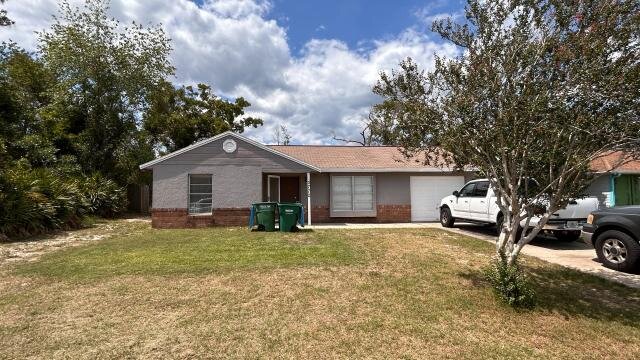
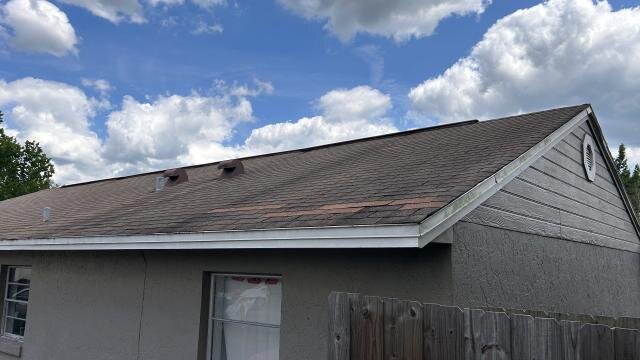
You can read the full details in our Deltona case study.
What you can do if you are behind on property taxes
Pay or redeem as soon as you can. Every month adds interest, and every new tax year can add a new certificate. If a tax deed application has already been filed, the deadline becomes real: redemption has to happen before the sale.
Ask the tax collector about the installment plan. Florida counties offer a plan that splits the next year’s taxes into quarterly payments. It does not erase a delinquent balance, but it keeps the next year from joining the stack. Some owners also qualify for tax deferral, including many seniors; the tax collector’s office can tell you whether you qualify.
Do not judge the situation by the silence. After the certificate sale, nobody is required to chase you, and the certificate holder is not allowed to contact you. Quiet years are still counted years.
If the balance and the repairs have grown past what you can handle, look at selling before any tax deed sale. Delinquent taxes are resolved from the sale proceeds at closing, so you do not need the cash in hand to sell. What selling early protects is your equity: at a tax deed auction, your home can sell for whatever the room bids, and recovering any surplus afterward is a claims process, not a guarantee. Our Florida foreclosure options page explains how selling works in situations like these.
If a tax deed sale has already happened, talk to a Florida attorney quickly. Surplus funds from the sale may be claimable, and deadlines apply.
Quick answers
Can you lose a paid off house over property taxes in Florida? Yes. Unpaid taxes become a first lien on the property, and if the debt is never redeemed, the property can be sold at a tax deed auction.
How long do you have before a tax deed sale? A certificate holder must wait two years from April 1 of the certificate year before applying for a tax deed, and the clerk then has to give notice and advertise the sale. In practice you usually have years, not weeks, but interest accrues the whole time and the end, once scheduled, does not move.
Does homestead protect your home from tax sales? No. Property taxes are an exception to Florida homestead protection. Homestead does raise the opening bid at a tax deed sale, which protects some value, but it does not stop the sale.
Can you sell a house with delinquent property taxes? Yes. The back taxes, interest, and costs are paid from the sale proceeds at closing. That is exactly how the Deltona sale above worked.
The bottom line
A paid off house in Florida is protected from a lot of things. Property taxes are not one of them. The process is slow, mechanical, and easy to forget about, which is exactly why it catches free and clear owners off guard. If your taxes are behind, the cheapest day to deal with it is the day you are in right now, while redemption is still simple and the choices are still yours.
This article is general information about how the process works in Florida, not legal or tax advice. Deadlines in your case depend on your county’s records and the notices you received, so speak with a Florida attorney or your county tax collector about your specific situation.
Questions about your own situation? Call us at (407) 214-0772. We are happy to talk through your options, with no pressure and no obligation.