
Yes, you can sell a Virginia house with tenants living in it. Landlords do it every month, including landlords whose tenants have stopped paying. What a sale does not do is end the lease, erase the tenant’s rights, or hand anyone a shortcut around Virginia law. The sale changes who owns the house. The tenancy comes with it.
That one fact decides everything else: who will buy it, what they will pay, and what paperwork matters. Here is how it actually works in Virginia, told through two of our own Northern Virginia sales: one where the tenant had not paid in about five months, and one where a retiring landlord was simply done.
The lease travels with the house
Most Virginia rentals sit under the Virginia Residential Landlord and Tenant Act, and nothing in that law ends a tenancy because the property changed hands. A fixed term lease runs to its end date with the new owner as landlord, on the same terms. A month to month tenancy keeps going until either side ends it with proper written notice, which in Virginia is at least 30 days before the next rent due date unless the lease sets a different period (Code of Virginia, section 55.1-1253). The buyer steps into the landlord’s shoes and does not get to rewrite the lease. Neither do you, on your way out.
The security deposit travels too, and this is the part sellers miss. Virginia law (section 55.1-1226) makes whoever holds the landlord’s interest when the tenancy ends responsible for returning a deposit that is duly owed to the tenant, whether or not the deposit money was actually handed over at the sale. In plain terms: if you keep the deposit and say nothing, your buyer still owes it back to the tenant later. Buyers who know this ask for the deposit amount and records before closing; handle it as a credit on the settlement statement, in the open, in writing.
What the buyer is really pricing
An occupied house is not priced like a vacant one. The difference is three things.
Access is the hidden price term. A tenant in place usually means limited showings, or no showings at all. Retail buyers who need to walk through the house and schedule a lender’s appraisal will mostly not compete for it. The buyer pool shrinks to investors and direct buyers who can price a house from the street, the records, and a short visit if the tenant allows one. Fewer buyers, more uncertainty, lower price. That is arithmetic, not a negotiating trick.
Documentation beats description. A lease, a rent roll, and a payment history make an occupied house sellable at a defensible price, because the buyer can underwrite real numbers. Income you cannot document gets discounted to zero. Twelve months of deposits matching the lease is a fact a buyer can pay for; a tenant who usually pays is a story, and stories price at nothing.
The lease is an asset or a liability depending on the number. A paying tenant at market rent can be the reason an investor buys. In the Sterling and Ashburn corridor, a working rent for a townhome reads at about $2,900 a month right now, approximate, based on evaluations our desk ran this week (the platform estimates behind that read sat at about $2,854 and about $2,903, both approximate). A tenant paying close to that, on time, is an income stream with a house attached. A tenant paying nothing is a legal process with a mortgage attached, and it prices that way. Same street, same floor plan, completely different sale.
Going through this yourself? We buy houses in situations like this one, as is, and we can talk through your options with no pressure and no obligation. Call us at (407) 214-0772 or reach us through our contact page.
When the tenant has stopped paying: the Sterling sale
Our Sterling purchase is the hard version. The house at 15 Providence Sq was rented, and the tenant had not paid rent for approximately five months. The seller had fallen behind on the mortgage and was approaching approximately three missed payments. He was running out of money to keep pursuing an eviction, and Realtors could not sell the house conventionally with the tenancy in place. We bought it occupied, as is, and the sale closed on August 28, 2019. After closing, the tenant situation became ours to handle, and the house was renovated once it was empty. Our Providence Sq case study tells that sale in full.
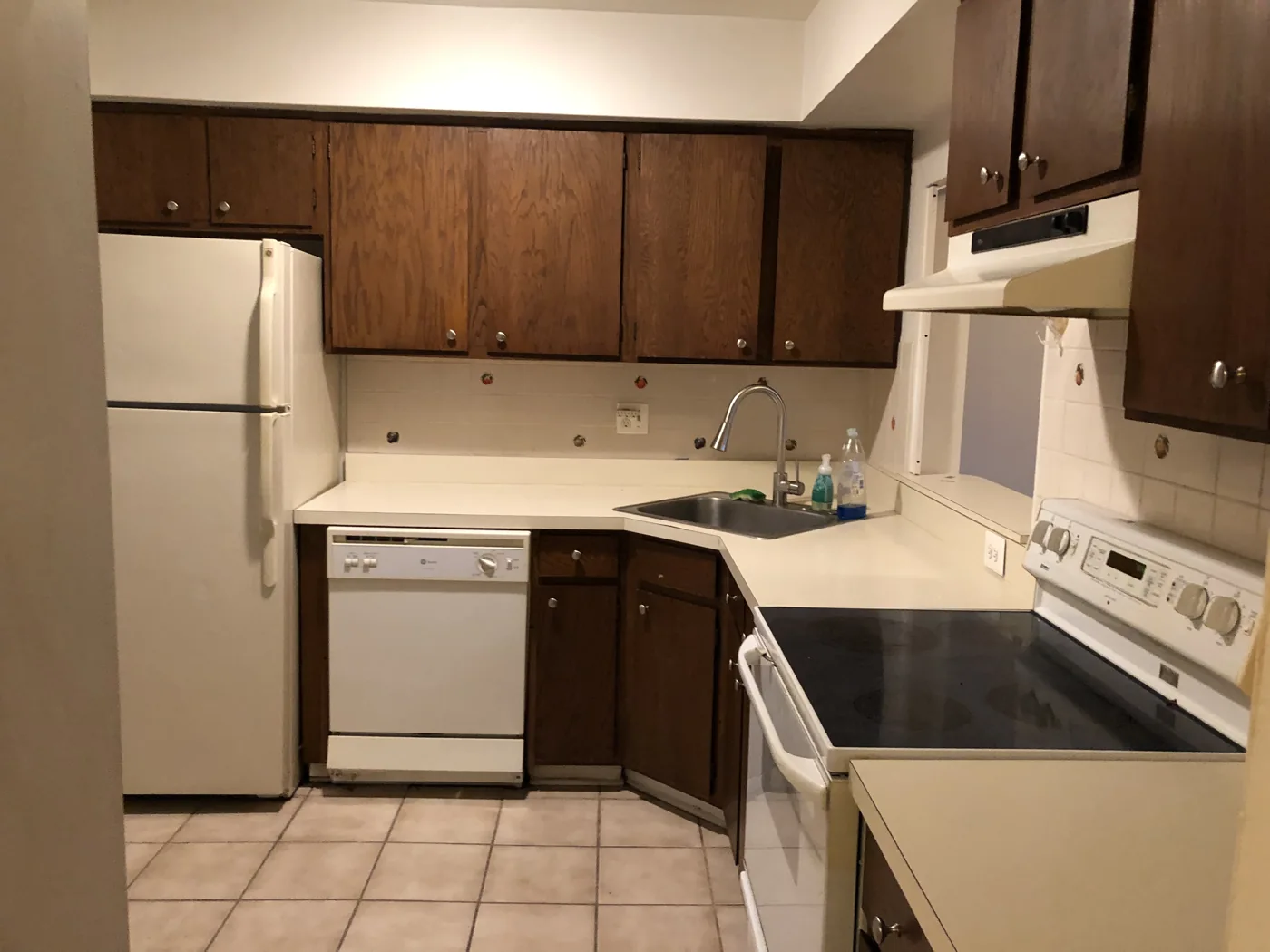
Look at what the seller was actually choosing between. Virginia’s process for a nonpaying tenant runs in the open, and it has no fast lane: the landlord serves a written notice, and if the rent is not paid within 14 days, the landlord may terminate the lease and file for possession (section 55.1-1245). Possession comes through an unlawful detainer action in general district court (sections 55.1-1251 and 8.01-126), and even then the tenant holds a right of redemption: pay everything owed and the eviction can be cancelled as late as 48 hours before the scheduled eviction date in a nonpayment case (section 55.1-1250). Each step waits on a notice period or a court date, so the honest planning range is weeks turning into months, approximate, and longer if the tenant contests, or redeems and falls behind again. Meanwhile the mortgage clock runs on its own schedule, and a falling behind seller can run out of money for the process before the process runs out. If the mortgage side is your emergency, our page on stopping foreclosure in Virginia walks that timeline.
Selling occupied does not delete that process. It transfers it. The buyer prices the months, the legal cost, and the uncertainty into the offer, and takes all of it off the seller’s desk at closing. In Elkridge, Maryland, just outside Washington, DC, we bought the same shape: the purchase closed with the tenant in place in January 2021, and counsel then ran the formal removal process, which took months. Our Elkridge case study says it plainly, and it is the sentence to remember: a sale does not bypass the required procedures, and it does not give anyone immediate possession. What it gives the seller is an exit.
The other Virginia landlord exit: nothing is on fire
Not every occupied sale is a crisis. At 15011 Illinois Rd in Woodbridge, the owner was retiring after years of renting the property out. Difficult tenants over the years and the steady work of managing a rental were the whole reason for selling; he chose an as is sale over another decade of being a landlord, and the transaction closed on February 18, 2020. Our Illinois Rd case study has the story and a walkthrough of the house after its rental years.
That case matters here for a quieter reason. When the tenancy is current and the rent is real, a rental is a working asset. The question is not how to escape it but how to hand it over cleanly: lease, payment record, deposit, and a tenant who hears about the sale from you, early and in writing, rather than from a stranger at the door. Our Woodbridge page covers that market.
What to put in order before you talk to any buyer
Gather the tenancy on paper before anyone quotes you a number:
- The signed lease, and every amendment or renewal since.
- A rent roll and a payment history: what was charged, what was paid, and when. Bank deposits that match are worth more than a typed summary.
- The security deposit amount, where it sits, and any deductions already made during the tenancy.
- An arrears ledger if the tenant is behind: months, amounts, and any partial payments.
- Copies of any notices you have already served, and any court dates or filings, if the process has started.
- Who pays which utilities, and anything promised to the tenant that is not in the lease.
One more item, learned from an estate file rather than a rental: in a Florida estate evaluation on our desk, the house was occupied when the paperwork was signed and the plan depended on it being empty at closing. Occupancy at signing and occupancy at closing are two different facts. If your deal is priced on the house being vacant at closing, protect that claim with a final walkthrough and a holdback in the written agreement, never by assuming.
Your three real routes
Sell it occupied. The buyer takes the lease, the tenant, the deposit duty, and any process already running, and the price reflects all four. This is the route our Sterling and Elkridge purchases took, and it is the only one that ends your landlord problem on the closing date rather than after it.
Agree an early end with the tenant. Virginia law lets landlord and tenant end a lease early by written agreement (section 55.1-1253), and a payment for keys and a clean move out, agreed in writing with a date and a walkthrough, is a normal version of that. It works best when the tenant has somewhere to go. Get it signed before money moves.
End the tenancy first, then sell it vacant. Serve the notices, run the court process if the tenant stays, and list the house empty to the full retail buyer pool. Where the lease is month to month, the rent is current, and you can carry the house, this can net the most. Where the tenant is not paying and your mortgage is falling behind, it is the route the Sterling seller had already started and could no longer afford to finish.
A short note for landlords reading from Florida: the same sale runs under a different statute there, chapter 83, with its own notices and court path, which is why this post is Virginia only.
Quick answers
Can I sell a Virginia house with tenants still living in it? Yes, at any point in a lease. The tenancy continues under the buyer, who becomes the landlord on the same terms. A fixed term lease runs to its end date, and a month to month tenancy continues until either side gives proper written notice.
What happens to the security deposit when I sell? Under section 55.1-1226, whoever holds the landlord’s interest when the tenancy ends must return a deposit that is duly owed, even if the deposit money never changed hands at the sale. Settle it as a credit at closing, in writing.
My tenant stopped paying. Do I have to finish an eviction before I can sell? No. You can sell with the tenancy in place; the buyer takes over any process already running and prices it into the offer. What you cannot do is skip the process on your own side either: possession in Virginia comes through the courts, not through changing the locks.
How long does the Virginia process take if I do evict first? The statute pieces are a written notice with 14 days to pay for a nonpayment termination, then an unlawful detainer in general district court, then a writ the sheriff executes. Real cases run weeks into months, approximate, and a tenant who pays everything owed can cancel an eviction as late as 48 hours before it happens in a nonpayment case.
Will I get more if I sell it vacant? Often yes on the price, because the retail buyer pool is bigger, and sometimes no on the net, once you count the months of carrying costs, the legal process, and the mortgage payments you make while you wait. Run both numbers with your actual lease and payment history in front of you.
The bottom line
Selling a house with tenants in Virginia is not a loophole. It is a transfer: of the lease, of the deposit duty, of the income if there is income, and of the legal process if there is one. Sellers get in trouble when they expect a sale to make a tenancy disappear. Sellers get clean exits when the tenancy is documented, priced honestly, and handed to a buyer who has taken one on before. Our Virginia page shows the purchases behind that.
This article is general information about how these sales work in Virginia, not legal advice. Lease terms, notice periods, and court practice in your case depend on your lease and your county, so speak with a Virginia landlord tenant attorney about your specific situation.
Landlords selling in Florida work under a different statute; our Florida guide to selling a house with tenants walks through that side.
Questions about your own situation? Call us at (407) 214-0772. We are happy to talk through your options, with no pressure and no obligation.