Considering Selling Your Virginia House Before Foreclosure?
Being behind on payments, getting a default letter, and having a trustee sale scheduled are three different situations with three different deadlines. In Virginia, foreclosure usually does not involve a court at all: the trustee under your deed of trust can sell the house at a public sale once the required notice has run. A sale of the property may resolve the situation only if it closes before that sale date and the payoff, liens, and closing obligations can be satisfied. A short sale needs the lender’s approval. Requesting an offer does not pause anything.
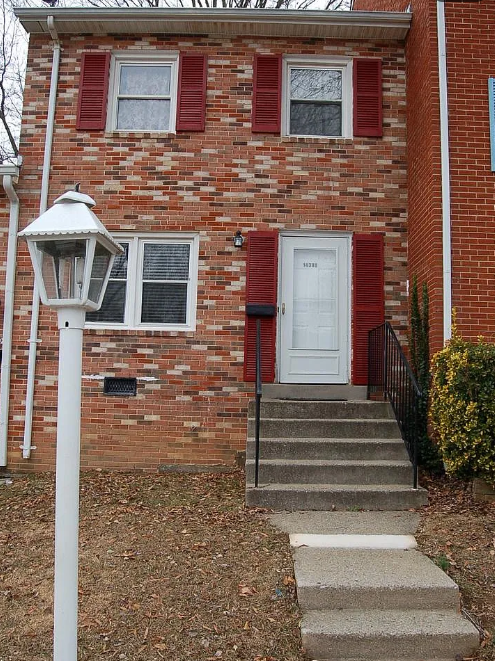
After a separation cut the household income, this seller fell approximately five months behind on a townhouse with a high balance and little room to cut the price, and the lender was threatening foreclosure. She sold through the existing financing under a written agreement: the arrears were caught up at closing as a separate step, and the buyer kept making the monthly payments afterward. Transferring the title did not by itself cure the default or release her from the loan.
Behind on the mortgage while the tenant was not paying
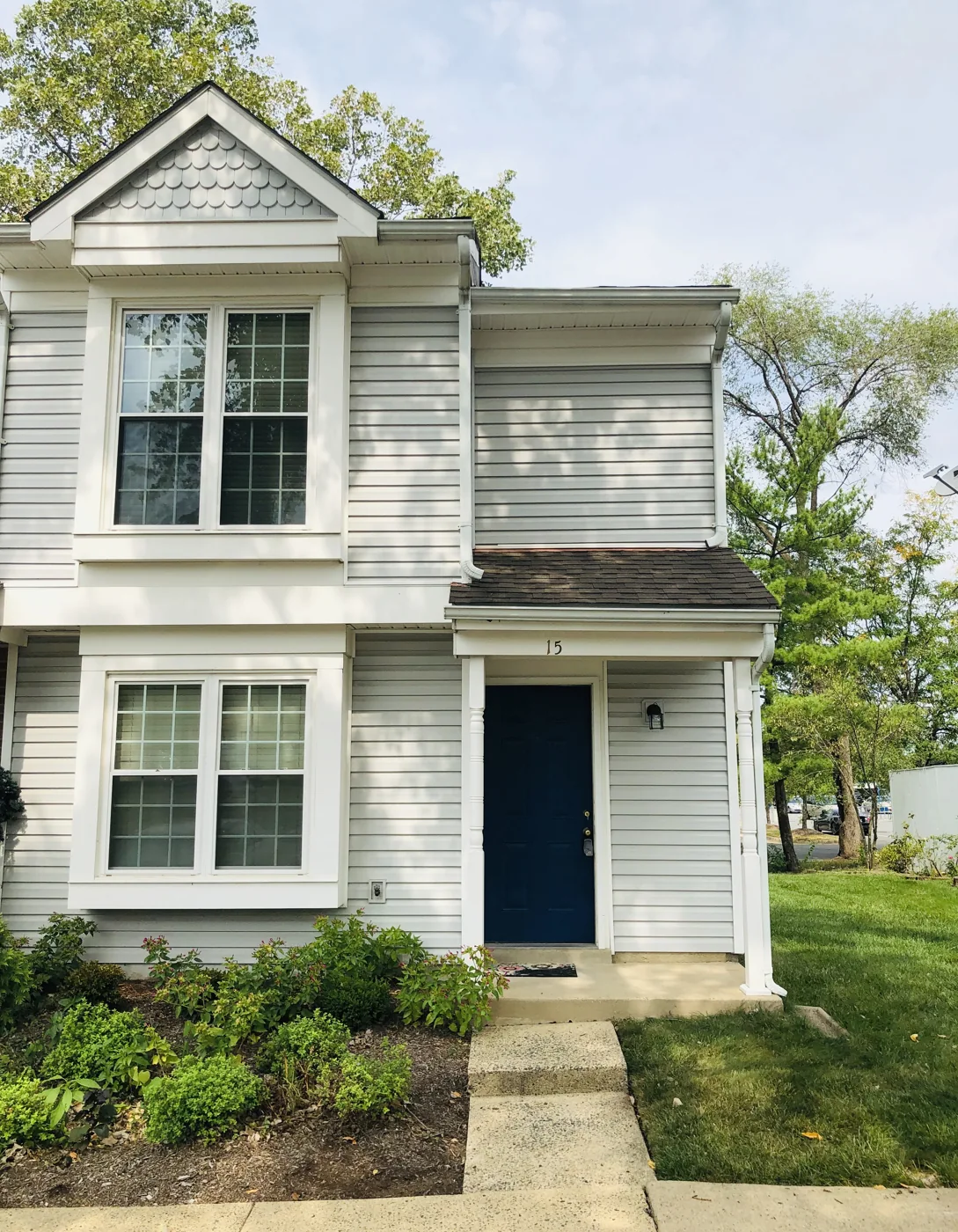
The tenant in this Sterling rental had not paid rent in approximately five months, the seller was approaching three missed mortgage payments, and the money to keep pursuing an eviction was running out. House For Cash bought it as is with the tenants still in place; the seller did not have to deliver a vacant house to get out.
Most foreclosure advice online describes Florida or the national average: a court case, a judge, months of process. Virginia works differently, and a seller who plans around the slow version can run out of time while feeling safe. Here the endgame is short and happens outside court, so what protects you is how early you act inside it.
How foreclosure actually works in Virginia
It is a trustee sale, not a court case
Your loan is secured by a deed of trust. When you default, the lender directs the trustee named in that document to sell the property under the power of sale written into it (Code of Virginia, Title 55.1, Chapter 3). No lawsuit is filed and no judge reviews the file first, which is why the Virginia timeline feels abrupt next to states where foreclosure runs through the courts.
The 60 day letter is your real deadline
Before a sale of an owner occupied home, written notice of the time, date, and place of the sale must be mailed to you no less than 60 days beforehand (section 55.1-321). For homes the owner does not occupy, that period is only 14 days. The owner occupied notice also has to state the date and amount of your last payment, the total of principal, interest, costs, and fees you are behind, and your remaining balance, and it must say plainly that it is not a notice to vacate, with contact information for HUD approved housing counseling and legal aid. Read that letter carefully: it is the one document that tells you exactly what you owe and the exact date you are working against.
The sale must also be advertised in a local newspaper (section 55.1-322), once a week for four successive weeks, or on five different days if the property sits in or next to a city, unless your deed of trust sets its own advertising terms. The sale itself is held at least eight days after the first advertisement and no more than 30 days after the last one. So once the notice letter has been mailed and the advertising runs, the sale can follow within a matter of weeks; practitioners commonly describe the whole endgame at approximately 60 to 90 days once it is underway (approximate; your servicer sets the real pace). One caution: a trustee can postpone a sale without starting the notice over, so get any new date from the trustee in writing.
You can still stop it before the sale, and only before the sale
Paying the loan off in full before the sale ends the matter at any point. Bringing the loan current is narrower: Virginia law gives no automatic right to reinstate, so it depends on your deed of trust. Many Virginia loans use the standard Fannie Mae and Freddie Mac deed of trust form, which allows reinstatement until five days before the sale. Check your own document, or ask the servicer, in writing, what a reinstatement requires.
The other working time usually comes from federal rules, not Virginia ones. A servicer generally cannot take the first foreclosure step until you are more than 120 days behind, and if you submit a complete loss mitigation application more than 37 days before a scheduled sale, the servicer generally has to evaluate it before the sale proceeds. Those protections reward complete paperwork sent early; a partial application sent late protects very little.
After the sale, there is no getting the house back
Virginia has no post sale redemption period for a trustee sale. Some states let a former owner buy the home back within a set window after the auction; Virginia is not one of them. Once the trustee sells, ownership transfers. What can remain is money, in both directions: if the sale brought more than the debt and costs, the surplus belongs to the former owner and can be claimed; if it brought less, Virginia law allows the lender to sue you personally for the difference, called a deficiency judgment. Avoiding that outcome is a concrete reason to resolve the loan before the sale instead of letting the auction set the price.
Tell Us About Your Property
Are you a Virginia homeowner facing foreclosure? Whether you are behind on payments, have received the trustee’s notice of sale, or are working through a loss mitigation application, selling may be one option to consider. House For Cash buys Virginia homes as is and can provide a no obligation cash offer so you can judge whether a sale works in your situation. Whether it can resolve the foreclosure depends on the amount owed, the equity, the liens, the lender’s requirements, and the time remaining.
How We Help Virginia Homeowners Explore a Sale Before Foreclosure
Sell Your Virginia House As-Is Skip the repairs, cleanout, and showings. We buy houses across Virginia in the condition they are in, occupied or vacant; the Virginia page explains the details.
A Closing That Fits the Trustee Sale Timeline When a sale date is close, timing is the whole question. We can review the property and give a no obligation cash offer quickly, and if a sale is workable and time remains, we coordinate the closing to complete before the scheduled trustee sale. If the time is not there, we will say so plainly.
Commissions and Closing Costs Selling directly to us means no agent commissions, and we cover the seller’s customary closing costs. Payoffs, liens, taxes, judgments, or other amounts owed against the property may still need to come from the closing proceeds.
Selling Through the Existing Loan, When It Is the Only Door Open When the balance is high and the equity is thin, a regular cash purchase sometimes cannot produce the proceeds a seller needs. In the right situation, a written purchase through the existing financing can: the buyer takes the property, the arrears are addressed at closing as a separate part of the agreement, and the buyer continues the payments. That is the structure used at Fontaine Ct.
It has to be described honestly, because the loan does not disappear. The loan stays in your name, and you are not automatically released from it. Transferring the deed does not by itself cure missed payments; the arrears have to be dealt with in the agreement itself, in writing. Your deed of trust also has a due on sale clause: the lender can treat the transfer as a default and demand the loan be paid. Careful paperwork reduces surprises. It does not make the structure bulletproof, and it is not right for every seller. If this structure is proposed for your house, have your own attorney review the agreement before you sign.
A Woodbridge seller, in his own words
The video below is from a completed Woodbridge purchase (a retirement sale, not a foreclosure): a Virginia seller describing working with us, in his own words.
Fill out the quick form below to get an offer on your Virginia house today. There is no obligation.
When Selling Before Foreclosure May Be an Option
1. Pay Off the Mortgage Through Closing If the property is worth enough to cover the payoff, liens, and closing amounts, the proceeds satisfy the loan at closing and the trustee sale has nothing left to sell. 2. Complete the Sale Before the Trustee Sale Date A completed closing before the scheduled sale stops the process because the debt behind it is resolved. What will not stop it: asking for an offer, signing a purchase contract, or a closing that has not finished. If the price cannot cover the payoff, a short sale may be possible, but it requires the lender’s written approval and usually more time than a scheduled sale leaves. 3. Sell the Property As-Is, Occupied or Vacant You do not need repairs, a cleanout, or an empty house to sell. At Providence Sq in Sterling, the purchase closed with the tenants still in place, because the seller could not afford to finish an eviction first.
We Help Virginia Homeowners in Situations Like These
Missed Mortgage Payments: In Virginia the end of the process moves quickly. A sale completed before the sale date can resolve the loan instead of leaving the outcome to an auction.
Little, No, or Negative Equity: If the property may not be worth enough to cover the mortgage, liens, and closing amounts, a normal sale may not be possible without additional funds or lender approval. Our guide to selling a house with low equity walks through how those situations are evaluated, and the existing loan discussion above explains the other structure that sometimes fits.
A Rental With Tenants Who Stopped Paying: Occupancy problems and mortgage problems feed each other. A purchase can close with tenants in place, as the Sterling case shows, so the eviction question does not have to be solved before the sale question.
An Inherited House With a Mortgage Behind: If you have inherited a house and the payments have slipped, the title steps and the loan problem both need attention, and a sale can address the loan while the paperwork is sorted.
Our Simple Process for Virginia Sellers Facing Foreclosure
1. Tell Us About the Property Fill out our short form or call us at (407) 214-0772. We will review the property and learn about your situation, starting with the sale date on your notice letter, if you have one, and how much time the timeline leaves. 2. Review a No-Obligation Cash Offer If the property fits, we provide a cash offer based on its condition, location, value, and obligations, and explain in writing how the numbers treat the mortgage. 3. Determine Whether a Sale Can Work Within the Timeline If you decide to sell, the closing company obtains the payoff and title information, and we confirm whether the closing fits before the trustee sale date.
Virginia Areas Where We Work With Homeowners Facing Foreclosure
Can a trustee really sell my house without going to court? Yes. Under a Virginia deed of trust, the trustee sells under the power of sale in the document itself. No lawsuit and no judge are required for a standard trustee sale.
How much notice will I get before the sale? If you live in the home, written notice of the sale date must be mailed no less than 60 days before the sale, stating your arrears and remaining balance. If you do not live there, the required notice can be as short as 14 days.
Can I get my house back after the trustee sale? No. Virginia has no post sale redemption period for trustee sales. Your options live before the sale date, which is why the date on the notice letter matters so much.
Important Information About Foreclosure
Selling a property does not automatically pause or stop a foreclosure. In Virginia, the trustee sale proceeds on its scheduled date unless the debt is satisfied, the servicer agrees in writing to postpone, or a legal filing stops it. A sale generally must be completed before the sale date, with the payoff, liens, and other closing obligations addressed. If there is not enough equity, lender approval may be required for a short sale. This page is general information about how the process works in Virginia, not legal advice. For advice about foreclosure rights, deadlines, bankruptcy, or a possible deficiency, speak with a qualified Virginia attorney or a HUD approved housing counselor.
Considering Selling Your Virginia House Before Foreclosure?
If you are facing foreclosure in Virginia, House For Cash can review your home and provide a no obligation cash offer. Whether a sale can be completed before the trustee sale depends on the amount owed, the equity, the liens, the title condition, the lender’s requirements, and the time remaining on your notice.
Fill out our quick form or call (407) 214-0772 to tell us about the property and learn whether a cash sale may be an option.
Request a No-Obligation Cash Offer Submit your information to get a fair, cash offer for your Virginia home.