Considering Selling an Inherited House in Virginia?
In Virginia, title to real estate passes to the heirs, or to the people named in the will, at the moment of death, automatically. What does not happen automatically is the paperwork that proves it, and until the public record shows who owns the house, no buyer and no title company can close a sale. Who has to sign depends on whether there was a will, whether anyone has qualified with the court clerk, and whether the whole family agrees. This page walks through how those pieces work in Virginia, and where an as-is sale fits.
Talk Through Your Property (407) 214-0772
Real properties. Relevant seller situations.
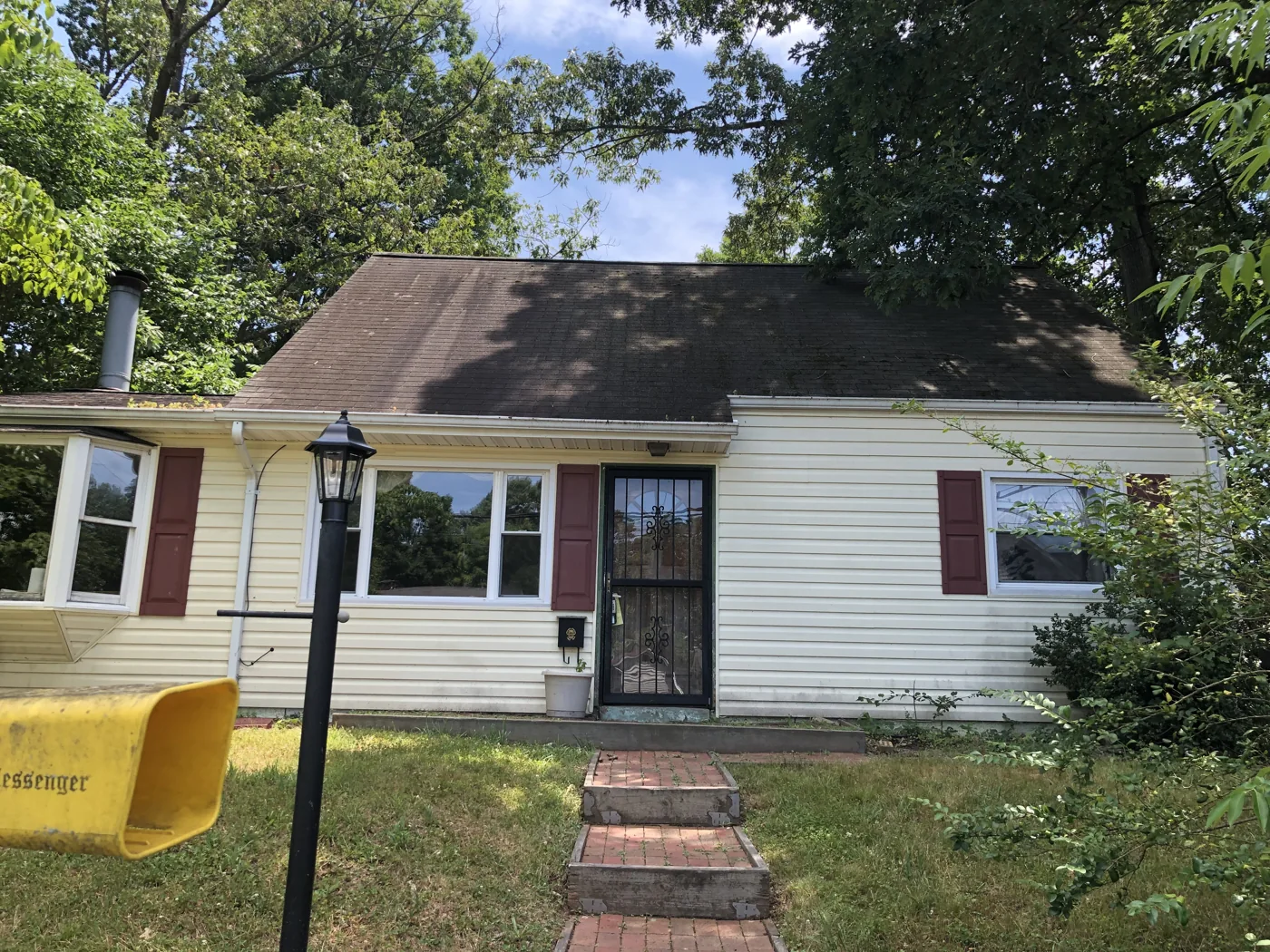
121 Colburn Dr, Manassas, VA
Inherited after probate, two hours away, major repairs waiting
The seller inherited this Manassas home from her parents after the estate had been through probate. Family members had lived there for years, the house had been neglected, and the city had filed complaints about exterior maintenance. She lived about two hours away in Fredericksburg, with no means or desire to rehabilitate it. House For Cash bought the property as is; the transaction closed in approximately 20 days.
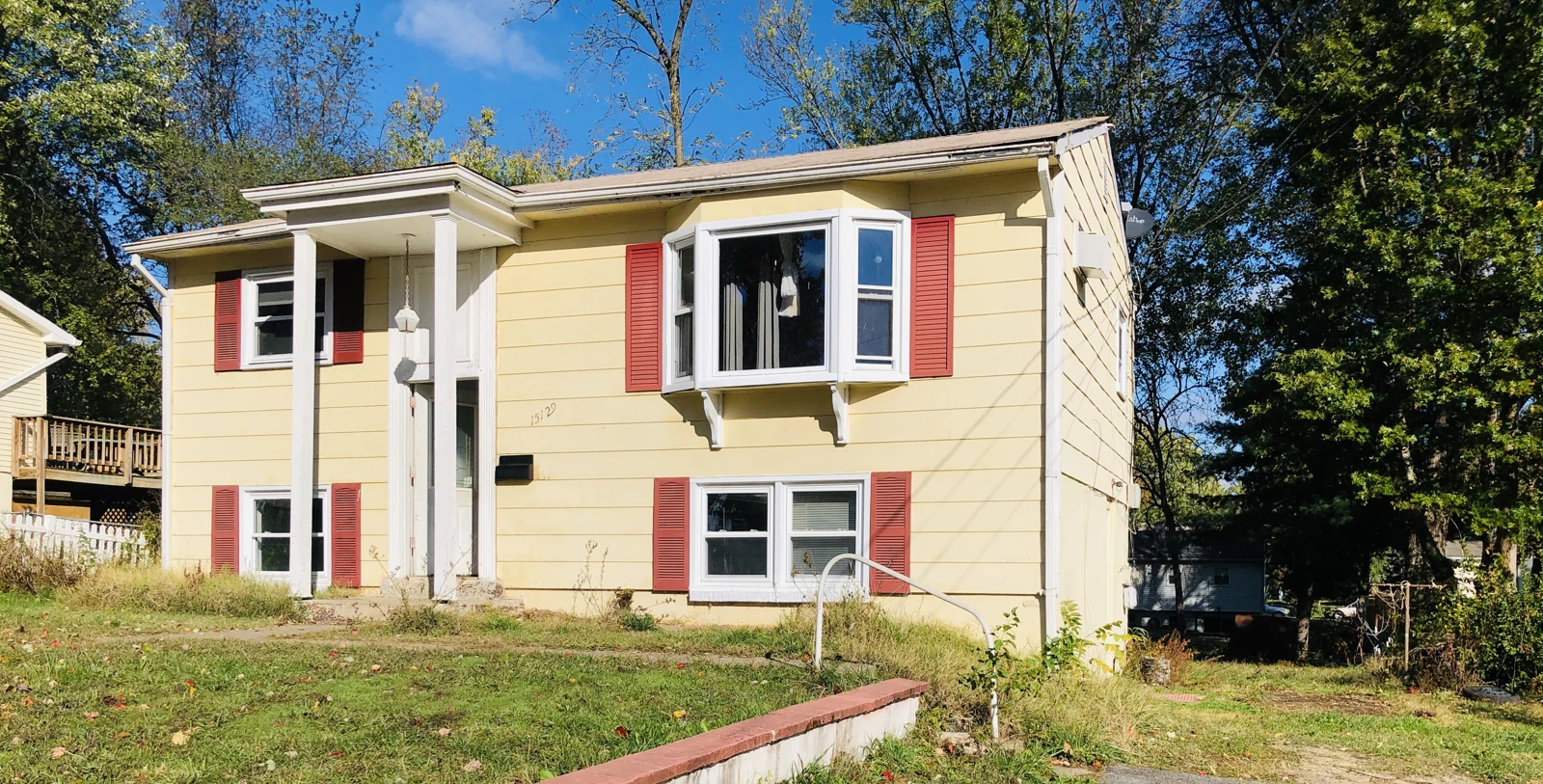
Read the full case study15129 Alaska Rd, Woodbridge, VA
Inherited from her father, rooms rented, repairs waiting
This seller inherited the Woodbridge home from her father. It carried sentimental weight, some rooms had been rented, and repairs were waiting. She sold as is rather than completing the work first, and the transaction closed on October 31, 2019, in approximately 10 days. That timing belonged to this sale; every estate is different.
Read the full case studyTalk Through Your Property (407) 214-0772
A Virginia seller’s own words
The review below comes from the seller of an inherited home in Sterling, 1603 E Madison Ct, which sold in June 2019. It reflects that seller’s specific transaction.
“Very easy to work with. We received a fair price for our house. I highly recommend this company.”
Rebecca Kummel, Google review, quoted on the case study page
What matters in this situation
Four things have to be understood together: who legally owns the house now, whose signatures a sale needs, what the estate still owes (a mortgage, taxes, or other claims), and what the family actually wants to happen. Those answers rarely sit in the same place: the will is filed with the clerk, the mortgage sits with a servicer, and the family’s agreement is a conversation. Most inherited house problems are one of these four going unanswered.
How an inherited house actually works in Virginia
Title passes at death. The record is the work.
Virginia lawyers have a saying for it: title to real estate “drops like a stone” to the heirs or devisees the moment the owner dies (Virginia State Bar). The house is not held inside the probate estate the way it is in some states. But the land records still show the person who died, and a buyer cannot receive clean, insurable title until the record is brought up to date. Almost everything that follows is that record work.
If there is a will
The will is presented to the clerk of the circuit court for the city or county where the owner lived. The clerk admits wills to probate and qualifies the executor named in the will (Code of Virginia, section 64.2-444), and the executor receives a certificate of qualification to prove that authority. At qualification, a list of heirs is filed under oath (section 64.2-509), naming the family members who inherit under Virginia law, and the clerk records it in the will book as public evidence of who the family is.
Whether the executor can sell the house depends on the will itself. If the will directs that the real estate be sold, the executor has the power to sell and convey it (section 64.2-521). Many wills also give a general power of sale, often by incorporating the standard fiduciary powers in section 64.2-105, which include selling real estate. If instead the will leaves the house to specific people and gives no power to sell it, the house belongs to those people, and they are the sellers. Being named executor and being able to sign the deed are not automatically the same thing.
If there is no will
Virginia law decides who inherits, in a set order called the course of descents (section 64.2-200). The surviving spouse comes first, sharing with the children in some family situations; then children and their descendants; then parents; then siblings and their descendants, and outward from there.
The practical step for the house is the real estate affidavit (section 64.2-510). A person with an interest in the property records it with the circuit court clerk where the property sits. It states that the owner died without a will, describes the property, and names the heirs and their last known addresses. The clerk records and indexes it with the wills, and the local commissioner of the revenue can then move the property into the heirs’ names on the tax land books. With the list of heirs, which any heir may file if nobody has qualified within 30 days of the death (section 64.2-509), this is how a house with no will gets a record a buyer can rely on.
A family member can also qualify as administrator of the estate, and families often assume that person can then sell the house. An administrator’s authority runs to the estate’s debts and personal property; it does not automatically reach the real estate. To convey the house, an administrator needs a special court order granting that authority (Virginia State Bar).
The commissioner of accounts supervises the estate, not the sale
When a personal representative qualifies, a commissioner of accounts, a court appointed official in that city or county, reviews the fiduciary’s inventory and accounts (Title 64.2, Chapters 12 and 13). That oversight protects the estate’s money and property. It does not give anyone the right to sell the house, and it is one reason an estate can stay open on paper long after the house question is settled.
The small estate affidavit does not transfer a house
Virginia has a shortcut for small estates: once 60 days have passed since the death, an affidavit can be used to collect a decedent’s small assets when the entire personal probate estate is worth $75,000 or less (section 64.2-601; the figure is stated in the statute). Note the word personal. That affidavit reaches bank accounts, vehicles, and personal belongings. It does not transfer real estate, and a house is not a small asset under it. Families sometimes wait on that process expecting it to free up the house. It will not.
Some owners already handled it: transfer on death deeds
Since 2013, Virginia owners have been able to record a transfer on death deed naming who receives the property at death (Uniform Real Property Transfer on Death Act, section 64.2-624 and following). If one was recorded before the death, the property passed to the named beneficiary outside probate, subject to whatever liens were already on it. Before assuming probate steps are needed at all, it is worth checking the land records for one.
Debts do not die with the owner
A mortgage on the house stays on the house, and property taxes keep accruing. Estate creditors have rights as well: Virginia law allows creditors to pursue heirs and devisees in some circumstances (section 64.2-536), and title companies examine sales by heirs closely in the first year after a death for exactly that reason. None of this prevents a sale; it means the estate’s obligations get identified and settled from the closing proceeds before a buyer is promised clean title.
When heirs disagree, or one cannot be found
Because the heirs own the house together, a normal sale needs every owner to agree and sign, or a fiduciary or court with authority to act for all of them. One heir cannot sell the whole house alone; an heir can sell only their own share, and a partial share is worth far less than its fraction of the house. When a family cannot agree, the routes are a negotiated buyout of the reluctant heir’s share, or a partition suit in circuit court asking the court to divide the property or order it sold (section 8.01-81 and following). Partition suits work, but they take time and legal fees. A missing heir is a different problem: the record has to account for that person before a title company will insure the sale, and an estate attorney can work through the search and notice steps. Ignoring the missing name does not work; the record follows the house.
Heirs who live somewhere else, and owners who lived somewhere else
Distance is normal in these sales. The Colburn Drive seller above lived about two hours away in Fredericksburg, and heirs routinely live across the country. In most closings, documents can be signed by mail or electronically. If the owner lived in another state and owned the Virginia house, probate usually happens where they lived, and a certified copy of that out of state probate is recorded with the Virginia circuit court clerk where the property sits, so the Virginia record connects.
Tell Us About Your Property
Inherited a house in Virginia and unsure who can sell it, or what paperwork comes first? House For Cash can review the property for an as-is purchase and explain, in writing, what a sale would require: who signs, which record steps come first, and what the numbers look like. Probate and title requirements must be confirmed before closing, and any agreement about costs belongs in the written agreement.
How We Help You Sell Your Inherited House in Virginia
- Review the Authority and the Paperwork First
Before anyone talks about a closing date, we look at who owns the house on the record, whether a list of heirs or a real estate affidavit is needed, and whether an executor holds a power of sale. If the estate’s attorney or the clerk’s probate office needs to act first, we say so plainly. House For Cash does not promise to pay probate expenses; if costs are part of a purchase, they are in the written agreement.
- Sell As Is, Contents and All
Inherited houses often come with a generation of belongings in them. We buy the property in its current condition, and the family keeps only what it wants to keep. No cleanout, no repairs, no showings.
- One Written Offer for the Whole Family
When several heirs own the house, we put the offer and the math in writing so everyone decides from the same numbers, wherever they live.
- Commissions and Closing Costs
There are no real estate agent commissions, and House For Cash covers the seller’s customary closing costs. Mortgage payoffs, taxes, liens, or other amounts owed against the property may still come from the closing proceeds.
Common challenges with inherited houses in Virginia
Virginia families bring us inherited houses with situations like these:
- A will that was never taken to the clerk, or no will at all
- A house still carried in a deceased parent’s name on the tax records
- Several heirs, in several states, who do not all agree
- Major repairs, or city maintenance complaints nobody local can take on
- Rooms of belongings and furniture left behind
- A mortgage, or back taxes, still running against the house
- A vacant house drawing tax, insurance, and upkeep bills every month it sits
We have bought houses in each of these situations in Virginia.
Real Virginia Property Sales After a Death in the Family
Inherited property sales combine family responsibilities, property condition, and title questions, and the details differ in every estate. These are individual examples, not a promise about timing or about any other estate. The Colburn Dr and Alaska Rd sales are told in full above; two more:
1603 E Madison Ct, Sterling: An inherited home that sat vacant; the family began improvements, then decided the full renovation was more than they wanted to take on. Sold as is, vacant at closing, on June 3, 2019, in approximately 20 days.
4607 Eastlawn Ave, Woodbridge: An inherited former rental, vacant by the time of the sale, with basement work and other repairs waiting. Purchased as is on September 24, 2019, with no repair work required of the seller first.
Authority to sell, title requirements, liens, and estate obligations need review before closing on any inherited property. You can review our purchase process or tell us about the property below, without committing to a sale.
Our Simple Process for Virginia Sellers of Inherited Houses
- 1. Tell Us About the Property
Fill out our short form or call us at (407) 214-0772. Tell us where the estate stands as best you know it: whether there is a will, whether anyone has qualified with the clerk, and who the heirs are.
- 2. Review a Written, No Obligation Offer
We review the property’s condition, the state of the record, and the local market, then explain any purchase proposal that fits, including what a closing would require from the estate.
- 3. Close When the Paperwork Allows
If you accept, the closing follows the written agreement, on a schedule the title and estate steps allow. In the completed sales on this page, closings ran approximately 10 to 20 days once the sellers were ready (approximate; some estates need a record step first).
Virginia Areas Where We Buy Inherited Houses
Our Virginia purchases cluster in Northern Virginia, including Woodbridge, Sterling, Manassas, Manassas Park, Centreville, and Leesburg, with selected purchases elsewhere in the state. Browse them in our Virginia case studies.
Virginia Inherited House Resources
Quick answers
Do I have to finish probate before I can sell an inherited house in Virginia? Usually not. Title already passed to the heirs or devisees at death. A closing needs a record proving who owns the house (a probated will with its list of heirs, or a recorded real estate affidavit when there is no will) and signers with authority. The rest of the estate can still be open.
My parent had no will. Who owns the house? Virginia’s course of descents decides (section 64.2-200): a surviving spouse first in most cases, then children, then parents, then siblings and outward. Recording a real estate affidavit (section 64.2-510) puts those names on the public record.
Can one heir sell the house without the others? Not the whole house. An heir can sell only their own undivided share. Selling the whole property needs every owner to sign, a fiduciary holding a power of sale, or a court order.
There is a mortgage on the inherited house. Can it still be sold? Yes; the payoff is settled from the closing proceeds. If payments are behind, treat the timeline seriously: a Virginia trustee sale moves on a notice period measured in weeks, and our Virginia foreclosure page explains that clock.
Does the small estate affidavit let us sell the house? No. It collects personal assets when the personal probate estate is $75,000 or less (section 64.2-601). It does not transfer real estate.
Important Information About Inherited House Sales
Selling an inherited house involves the estate’s legal steps as well as the property itself. Who can sign, what must be recorded, and how an estate’s debts are handled depend on the will, the family, and the county records, and they should be confirmed with the circuit court clerk’s probate office or a Virginia estate attorney before a closing date is set. This page is general information about how the process works in Virginia, not legal advice. House For Cash does not promise to pay probate or estate expenses unless that promise appears in the written purchase agreement.
Considering Selling Your Inherited House in Virginia?
If you have inherited a Virginia house, House For Cash can review the property and provide a no obligation written offer. Whether a sale can close, and how quickly, depends on the state of the record, who holds authority to sign, the estate’s obligations, and the property’s condition, and we will walk through each of those before any date is discussed.
Fill out our quick form or call (407) 214-0772 to tell us about the property and learn whether an as-is sale may be an option.
Request a No-Obligation Cash Offer
Submit your information to get a fair, cash offer for your Virginia home.