
Yes, an owner may sell a house in its existing condition. That does not mean known problems can be concealed or that every buyer will accept the same condition. The practical question is which sale path fits the property’s condition, the work involved and your circumstances.
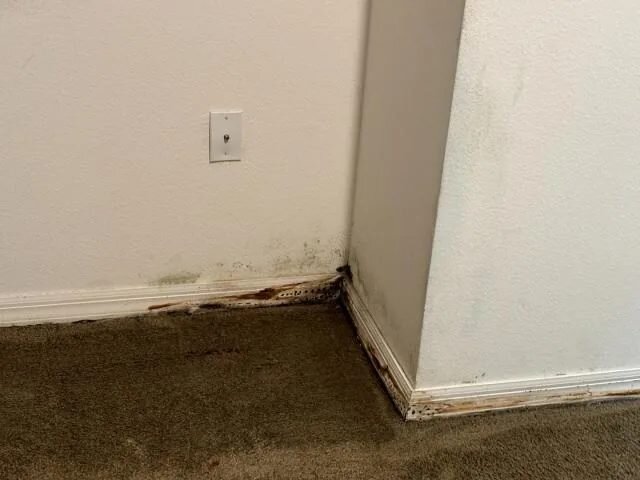
As-is does not mean no disclosure
Florida residential sellers can have duties to disclose known facts materially affecting value that are not readily observable and are not known to the buyer. An as-is contract does not automatically erase those obligations. Be clear about known leaks, damage and repair history, and seek legal advice about the documents when needed.
Written disclosure and available records can help keep the discussion concrete. Explain what you know and distinguish it from what has not been assessed. Do not describe damage as repaired or a mold issue as resolved unless that statement is supported.
Understand the condition before comparing offers
Water damage varies. A visible stain, damaged flooring and a concealed plumbing problem can require different work. A qualified professional may be appropriate to assess the source, extent and repair needs. This article does not diagnose mold, establish a remediation scope or provide medical advice.
Gather any relevant inspection findings, repair records, estimates and photographs you already have. You do not need to invent a repair plan to explain why you are considering an as-is sale.
Three paths to compare
Repair before selling
Completing repairs may help a home appeal to buyers seeking a property ready to occupy. Compare the work, professional advice, cost, available funds and time involved. Do not assume every repair expense will be recovered through a higher price.
List the property as-is
An as-is listing can make the property’s condition clear while exposing it to the market. Prospective buyers may still inspect it or negotiate under the contract. A buyer’s lender, appraiser or insurer may evaluate condition independently; accepting an as-is price does not automatically satisfy those requirements.
Consider a direct purchase
A direct buyer may consider the property without requiring the seller to perform repairs first. The buyer will still need enough information to evaluate the condition and terms. Compare the proposed price, estimated net proceeds, closing conditions and responsibility for remaining belongings or occupancy.
There are no real estate agent commissions, and House For Cash covers the seller’s customary closing costs. Mortgage payoffs, liens, taxes, judgments or other amounts owed against the property may still need to be paid from the closing proceeds.
Real House For Cash example in DeLand
House For Cash purchased 286 E Fiesta Key Loop on August 8, 2024. The fairly new home had a broken pipe in the shower area. The leak contributed to mold and flooring damage, and wall access was required to repair the pipe.
The seller had lost his job, maintenance had been neglected, and he preferred an as-is sale rather than completing repairs. The buyer assumed repair responsibility after purchase. The seller received cash and remained through the weekend after closing at no charge by agreement.
That example shows a specific as-is purchase. It does not establish a universal repair scope, price, timeline or health outcome. Read the Fiesta Key Loop case study and explore selling in DeLand.
Questions to ask before accepting an offer
- What known condition information and records should be provided?
- Who is responsible for any work before and after closing?
- What inspections, title matters or other closing conditions remain?
- What is the estimated amount left after required obligations?
- Is any post-closing stay documented, including dates and responsibilities?
You can contact House For Cash before making repairs, then compare the proposed terms with other options. See our Florida as-is page, Florida authority page, and How It Works page.
Source: Florida Realtors — Florida real estate disclosure laws. The legal summary is general information, not advice about a particular sale.