
Being behind on your mortgage and having almost no equity feel like one problem. They are two different numbers, and they block two different doors. The thin equity blocks the familiar sale, where the loan is paid off in full at closing. The missed payments are a separate figure, smaller and specific.
Our guide to selling a low equity house in Florida works through the payoff math, and our subject to guide answers the transfer questions. This article is about the arrears themselves: what being behind costs, how to get the exact figure in writing, and why an old loan can be worth more than the arrears against it.
“Behind” is a number, and your servicer will put it in writing
Ask your servicer for a reinstatement quote, sometimes called a cure figure. It is the total needed to bring the loan fully current: the missed payments themselves, late charges, any escrow amounts the servicer advanced for taxes or insurance, and, once foreclosure attorneys are involved, their fees and costs as well. The quote comes with a good through date, because the number grows: every additional missed month adds another payment, another late charge, and more fees.
Do not confuse it with the payoff quote. The payoff is the entire remaining balance, the figure a conventional sale has to cover. The cure is a fraction of it. A seller with almost no equity usually cannot satisfy the payoff; the cure decides whether the loan can be saved, restructured, or sold around.
In Florida, the right to reinstate generally comes from your mortgage itself rather than from a state statute. Most mortgages carry a reinstatement provision: pay everything that would be due as if the loan had never been accelerated, cure any other defaults, and cover the lender’s enforcement expenses, and enforcement stops. Before a lender can accelerate at all, the standard mortgage requires a written breach notice giving you at least 30 days to cure. Your rights live in those documents; read them, or have an attorney read them with you.
Before any sale, ask the servicer what it offers
Selling is one branch. Your servicer has others, and federal rules give you room to explore them: a servicer generally cannot make the first foreclosure filing until a loan is more than 120 days delinquent, and a complete loss mitigation application filed before that generally pauses the start until the evaluation ends.
The options, in plain terms: a repayment plan spreads the arrears across future payments on top of your regular one; a forbearance pauses or reduces payments for a set period, with the missed amount still owed afterward; a modification changes the loan’s rate, length, or in some cases balance, to reach a payment you can sustain.
If your loan is FHA insured, one option deserves its own explanation: the partial claim. HUD advances the money to bring your loan current and places it in a second lien behind your mortgage. It charges no interest, asks for no monthly payment, and comes due when the mortgage ends, usually when you sell or refinance. The amount is capped at up to about 30 percent of your unpaid principal balance. Deferred is not forgiven. In one Pinellas County case, a second lien of about $38,609 recorded in April 2025, reading as a HUD partial claim, sat silently behind a first mortgage estimated at $153,414 at 4.25 percent while the home sat listed on hold at $265,000 after an earlier pending sale fell through.
Why a loan at 2.7 percent changes the math
When the existing loan carries a low rate, the loan itself is an asset, and the arrears are the price of keeping it. A current file from Baker County shows the shape. The home is in active pre foreclosure, with a lis pendens filed in April 2026. The FHA loan is estimated at 2.7 percent, with an estimated balance of $209,786 and an estimated payment of $983 a month. The estimated cure is about $11,000 including fees, the estimated total cash to step into the loan is about $17,000, and an HOA lien of about $1,930 sits in the stack as well. Every figure there is a platform or file estimate, not a servicer’s quote, and the real numbers would have to be confirmed. But the structure is the lesson: a buyer cannot recreate a 2.7 percent loan at today’s rates. Keeping it costs the monthly payment plus a one time cure; replacing it costs more every month for decades. That is why a house with no equity in the payoff sense can still sell without a short sale. The value sits in the debt, not in the spread between price and balance.
The rest of the stack sorts into four buckets
Arrears rarely travel alone, and every claim against the house gets sorted; the sorting is most of the work. Some liens have to be paid now, at or before closing, because they block the transfer or keep growing; the Baker County HOA lien above is the small, typical example. Some obligations have to be kept current going forward, starting with the first mortgage payments themselves. Some can let ride silent: a partial claim or another dormant second that asks for nothing monthly gets priced into the deal instead of paid off. And some need a statute checked, because certain liens weaken or expire with time; only an attorney can say which ones in your case, and what they are really owed.
The stack is not frozen while a foreclosure crawls: one Sarasota County file totaled about $12,339 in liens, an $11,148 mechanics lien from a 2023 roof job plus a $1,191 utility lien recorded in June 2026, months after the foreclosure was already running. Paper can also conflict: one Broward County file shows about $281,250 at 6.32 percent institutional on one side and a private loan of about $400,000 at 12 percent on the other, which means no honest arrears math until title work answers which debt is real. And the short sale clock belongs to the lender: one Orange County short sale has sat pending since September 2025, with a solar loan of approximately $50,000 the buyer must assume.
What a buyer actually does with your arrears, and what it does not do
In a sale through the existing loan, title transfers to the buyer and the mortgage stays in place, in your name. The arrears are handled as a separate, explicit step: the cure figure is paid at or around closing, exactly as agreed in writing, and the buyer makes the regular payments from then on.
Now the limits, stated as plainly as the mechanics. The loan stays in your name until it is paid off or refinanced; a subject to sale does not release you, and no private agreement can make the lender release you. Transferring title by itself cures nothing; if the cure is not actually paid, the default is still there. Your mortgage almost certainly contains a due on sale clause, which gives the lender the right to demand full repayment after a transfer. That right is real and must be disclosed; a contract between you and a buyer does not bind the lender. Good paperwork matters: a written agreement naming who pays what, how payments are verified, what happens if a payment is missed, and a third party servicing or verification arrangement all reduce the risk without erasing it. If the buyer stops paying, the problem returns to the person whose name is on the loan, and that is you. Anyone who presents this structure as bulletproof or risk free is selling you something.
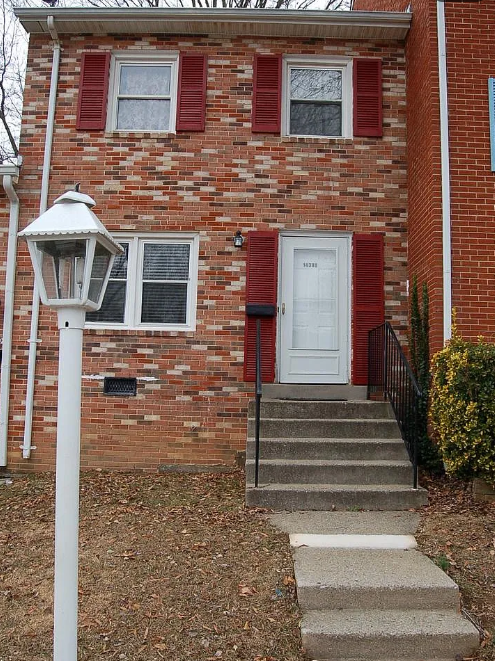
It has worked in real transactions. In Woodbridge, Virginia, a seller who had separated from her husband and first tried a Realtor was approximately five months behind after her income dropped, with a balance too high for a price cut, a house needing only minor updates, and a lender threatening foreclosure, though no filing is established in the record. She sold subject to the existing financing under a written agreement: the buyer reinstated the mortgage at closing and kept paying afterward, and she took the agreed proceeds and moved to family in Maryland.
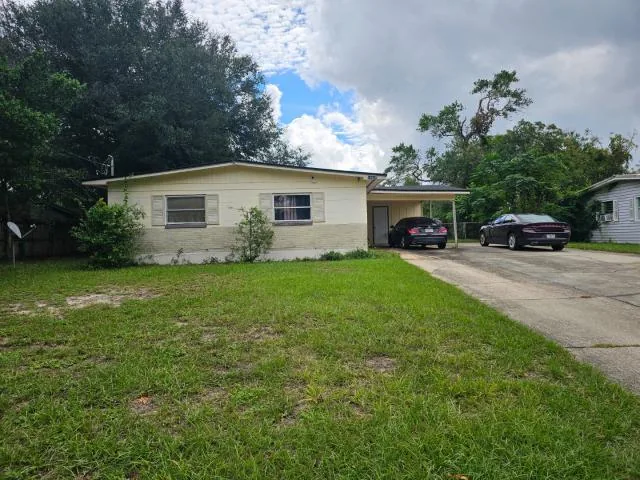
In Jacksonville, a seller approximately seven months behind after a job loss, who had already tried a lender workout and partial payments, and whose Realtors wanted repairs and a longer conventional sale, sold an older home as is through the existing financing: the delinquency was reinstated as a separate step, he received cash, and the mortgage stayed in place. Our Fontaine Court and Inez Drive case studies carry both transactions in full, including their own cautions: neither outcome is automatic in an existing financing sale, and each happened because the numbers, the cure included, worked.
What you can do if you are behind
Get both numbers in writing, the reinstatement quote and the payoff quote, each with its good through date; almost every decision gets clearer once the two figures sit side by side. If keeping the house is the goal, submit a complete loss mitigation application and keep copies of everything: the federal protections described above attach to a complete application, and a half finished one protects much less. If selling is the path, compare the two structures with real numbers, a payoff sale against a sale through the existing loan with the cure priced in; our Florida foreclosure options page explains selling while a case is pending, and our foreclosure process guide lays out the court timeline. Either way, order a title search early, before you pick a price or a path; that is how partial claims and small liens stop being surprises.
If a foreclosure lawsuit has been filed, talk to a Florida foreclosure attorney promptly; court deadlines do not pause for a pending sale. Nothing in this article stops a foreclosure by itself. What stops one is a completed cure, an approved agreement with the servicer, or a completed sale.
Quick answers
Can you sell a house if you are behind on payments and have almost no equity? Yes, if the numbers work in one of two ways: the proceeds cover the payoff including the arrears, or a buyer takes over the existing loan and pays the cure as a separate step. Every path has to account for the arrears.
What is a reinstatement or cure figure, and how is it different from a payoff? The cure figure is the servicer’s written total to bring the loan current: missed payments, late charges, escrow advances, and foreclosure fees if attorneys are involved. The payoff is the entire balance. The cure is far smaller and decides what is possible.
Does selling subject to the existing loan catch up your payments or release you from the loan? No. Transferring title cures nothing and releases nobody. The cure has to actually be paid, and the loan stays in your name until it is paid off or refinanced, with the due on sale risk weighed openly.
How long do you have if you are behind? A servicer generally cannot file until you are more than 120 days delinquent, and Florida’s court process commonly runs a year or more in contested cases, sometimes longer; treat timing as approximate. The time is not free: the cure grows monthly.
The bottom line
Almost no equity closes the payoff door. It does not close every door. The arrears are a figure, and figures can be gotten in writing, compared, and priced into a transaction. When the existing loan carries a rate worth keeping, that cure can be the cost of preserving the one asset in the deal, the loan itself. When the rate, the repairs, or the lien stack say otherwise, a different path may be the honest answer, and knowing it early is worth money too.
This article is general information about how these processes work, not legal or financial advice. Your reinstatement rights, your servicer’s options, and your deadlines depend on your loan documents and your case, so speak with a Florida attorney and your servicer about your specific situation.
Questions about your own situation? Call us at (407) 214-0772. We are happy to talk through your options, with no pressure and no obligation.